Unlock Rich Ratatouille Flavor: Provençal Techniques Made Easy
Ratatouille. The very name evokes images of charming French kitchens, vibrant summer vegetables, and perhaps, for many, a certain animated culinary masterpiece. But don't let its sophisticated reputation fool you. At its heart, an truly
easy ratatouille is a testament to the power of simple ingredients treated with a little patience and respect. It's not about elaborate garnishes or impossible techniques; it's about coaxing the best out of everyday vegetables to create a deeply satisfying, rustic stew that anyone can master.
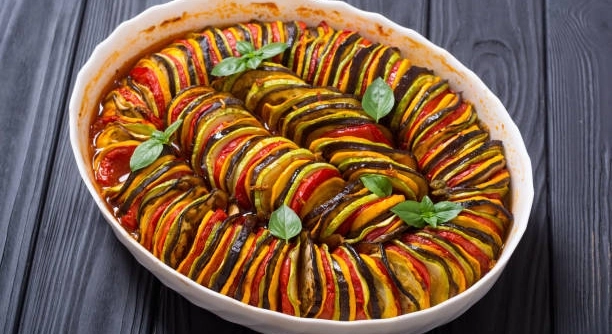
For years, the idea of making ratatouille felt daunting. Like many, my first vivid encounter with the dish was through the enchanting world of a particular Disney film, which elevated a humble vegetable stew to a culinary icon. The sheer artistry of the plated dish made me wonder if such a creation was truly achievable in a home kitchen. Yet, as Chef Gusteau wisely proclaimed, "Anyone can cook." And ratatouille, in its authentic Provençal form, is perhaps one of the most delicious proofs of that philosophy. This guide will walk you through the proven techniques that make achieving rich, authentic ratatouille flavor not just possible, but genuinely easy.
The Humble Origins & Enduring Appeal of Ratatouille
Before it became a global sensation gracing fine dining menus, ratatouille was born out of necessity and resourcefulness in the sun-drenched region of Provence, France, back in the 1700s. Provençal farmers, looking to make the most of their abundant summer harvest, would simmer leftover vegetables and fragrant herbs together to create a nourishing, affordable meal. This rustic stew, a celebration of eggplant, zucchini, bell peppers, and tomatoes, was a staple for families, a testament to the simple pleasures of seasonal eating.
From these humble beginnings, ratatouille steadily grew in popularity, moving from farm tables to local bistros, and eventually, onto the international culinary stage. Its enduring appeal lies in its versatility, its nutritional richness, and its incredible depth of flavor that develops from common garden vegetables. It's a naturally vegetarian and often vegan dish that satisfies even the most ardent meat-eaters, making it a perfect addition to any dinner rotation. Learning to make an
easy ratatouille means embracing a piece of culinary history and bringing a taste of the French countryside into your own home.
Unlocking Flavor: Provençal Techniques Made Easy
The secret to a truly exceptional ratatouille isn't a complex list of ingredients, but rather a methodical, layered approach to cooking. Forget throwing everything into a pot and hoping for the best; the magic happens when each vegetable gets its moment to shine before melding into a harmonious whole. These are the simple, yet profound, Provençal techniques that guarantee a flavorful outcome every time:
The Foundation: Building a Savory Base
Every great stew begins with a solid foundation. For ratatouille, this means starting with aromatics. Sautéing finely chopped onions and garlic until they are soft, translucent, and slightly sweet is not merely a preliminary step—it's essential. This process releases their fundamental savory notes, creating a rich "base note" that permeates the entire dish. Think of it as painting the canvas with flavor before adding the vibrant colors of the vegetables. Don't rush this stage; allow the onions to caramelize gently over medium-low heat to unlock their full sweetness.
The Art of Individual Browning: Why Each Vegetable Matters
This is perhaps the most crucial technique for achieving a deeply flavored ratatouille, preventing a watery, pale stew. Each core vegetable—eggplant, zucchini, and bell peppers—has its own unique texture and moisture content, requiring distinct cooking treatment.
*
Eggplant First: Eggplant is notorious for absorbing oil like a sponge. Cooking it first, on its own, allows you to properly brown it without drenching the entire dish in excessive oil. Give the eggplant cubes enough space in the pot to brown beautifully on all sides, developing a rich, slightly caramelized exterior. This browning is where a significant amount of flavor is built.
Pro tip: Salting sliced or cubed eggplant for 30 minutes before cooking and then patting it dry can help draw out excess moisture and reduce oil absorption, leading to a firmer texture.
*
Zucchini and Bell Peppers Follow: Once the eggplant is done, set it aside. Then, cook the zucchini and bell peppers separately. Like the eggplant, they need room to brown, not steam. If you overcrowd the pot or dump everything in at once, the vegetables release too much moisture, creating steam instead of a desirable crust. Steam leads to soggy vegetables and flat flavor. By cooking them in batches, each vegetable has the chance to develop its own distinct texture and sweetness, which contributes significantly to the overall complexity of the final dish.
Deglazing: The Secret to Depth
After cooking each vegetable, you’ll notice delicious browned bits—known as "fond"—stuck to the bottom of your pot. These aren't burnt remnants to be discarded; they are concentrated pockets of flavor! Deglazing the pot is the simple act of adding a splash of liquid (vegetable stock, water, or even a little wine) to scrape up these browned bits. As you stir, they dissolve into the liquid, infusing it with an incredible depth that elevates the entire stew. This step is the difference between a thin, bland sauce and a rich, nuanced broth that tastes like it's been simmering for hours.
The Gentle Simmer: Marrying the Flavors
Once all your vegetables have been individually browned and the foundation is set, it's time to bring them together with your tomatoes and aromatics. A common mistake is to boil the ratatouille vigorously. For an
easy ratatouille that tastes truly authentic, a gentle simmer is key. Cover the pot and allow the mixture to soften slowly over low heat. This gentle cooking process prevents the vegetables from breaking down too quickly into baby food mush, preserving their rustic texture while allowing the flavors to meld and deepen harmoniously. It’s during this slow simmer that the true magic of Provence unfolds in your pot.
The Timely Infusion of Herbs
Herbs are the soul of Provençal cooking, and timing their addition is crucial. Hardy herbs like thyme can be added early in the simmering process. Their robust flavor can withstand extended cooking, and they will slowly infuse the entire stew with their aromatic essence. Delicate herbs, such as fresh basil, should be stirred in right at the very end, just before serving. This ensures their vibrant, fresh flavor and bright color aren't dulled or "cooked out" by prolonged heat. A sprinkle of fresh parsley at the end also adds a lovely burst of freshness.
Serving Your Delicious Ratatouille
One of the great joys of an
easy ratatouille is its incredible versatility. While it stands proudly as a main course, it also serves as a fantastic accompaniment to a variety of dishes. Spoon it generously over a slice of crusty artisan bread for a simple, satisfying meal. It’s an ideal side for roasted chicken, grilled fish (especially a Parmesan-crusted fillet), or even a perfectly cooked steak.
For a vegetarian twist, serve it over pasta, polenta, or alongside a fried or poached egg. The flavors deepen wonderfully overnight, making leftovers an absolute delight for lunch the next day. This dish truly shines when made with fresh, in-season summer produce, so take advantage of your local farmer's market finds. Don't hesitate to experiment with different additions like capers or olives for an extra Mediterranean flair, but always begin with the classic techniques to understand the core flavor profile.
Conclusion
Making an authentic, flavorful ratatouille doesn't require a culinary degree or hours of painstaking effort. It's about understanding and respecting the individual components, and allowing them to contribute to a greater whole through simple, proven techniques. From its humble origins as a farmers' stew to its current status as a beloved classic, ratatouille reminds us that the best food often comes from the most basic ingredients, treated with care.
Embrace the joy of layered flavor, the rustic charm of perfectly cooked vegetables, and the satisfaction of creating a dish that truly tastes like summer in a bowl. You'll find that an
easy French ratatouille is not just a meal, but an experience. So gather your ingredients, follow these steps, and discover for yourself that
the real ratatouille – rich, satisfying, and deeply delicious – is well within reach for every home chef.