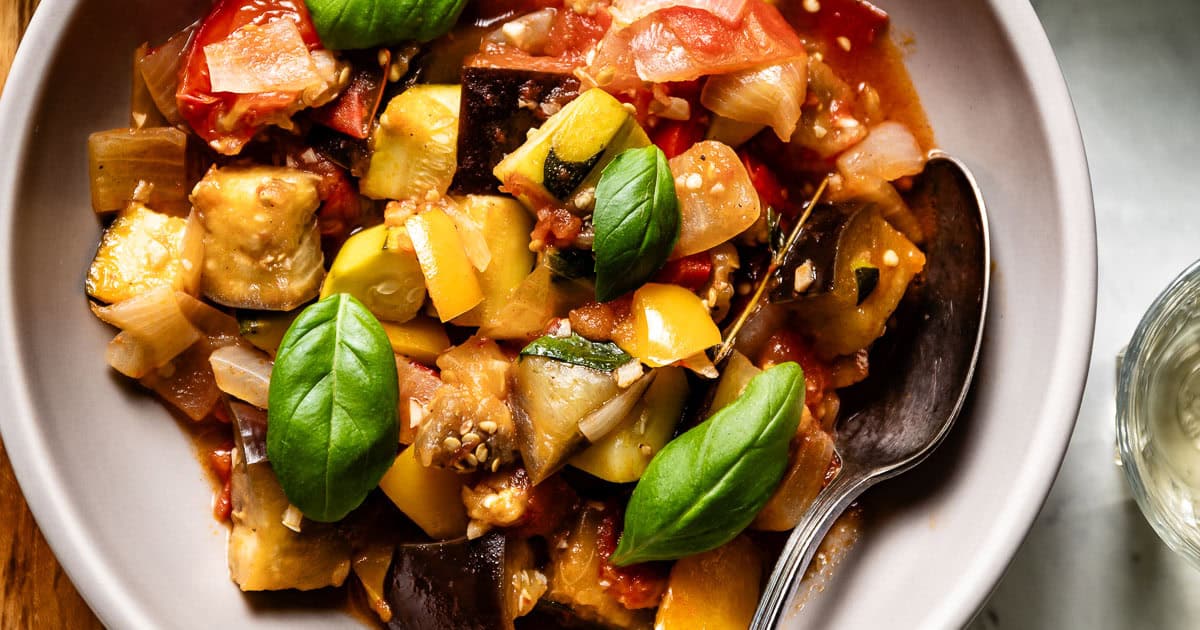
The Real Ratatouille: Simple French Stew for Every Home Chef
For many, the word "ratatouille" conjures images of a meticulously arranged, visually stunning dish, thanks to a beloved animated film. While that cinematic creation certainly captured imaginations, it often leaves aspiring home chefs wondering if such elegance is achievable in a regular kitchen. The wonderful truth is that the Easy French Ratatouille: Rustic Flavor, Simple Steps version is far more accessible, rooted in humble Provençal tradition, and genuinely designed for anyone to cook.
Far from an intimidating gourmet masterpiece, ratatouille originated in the 1700s in the French countryside. It was a resourceful dish created by Provençal farmers, a hearty stew made from seasonal garden vegetables and herbs to provide a nutritious and affordable meal. This rich history highlights its core identity: a peasant dish, celebrated for its robust flavors and simple preparation. Our journey today isn't about replicating a movie prop, but about embracing the soul of this rustic French vegetable stew, proving that an truly easy ratatouille can be deeply satisfying and incredibly delicious.
Beyond the Movie Plate: What Makes an Easy Ratatouille Truly Great?
The film's depiction, while beautiful, sometimes overshadows the true essence of ratatouille. It's not about precision slicing or perfect arrangements; it's about the magic that happens when good, fresh vegetables are treated with patience and respect. The key to an easy ratatouille that tastes authentically French isn't complexity, but rather a thoughtful approach to layering flavors and textures. This means moving away from simply "dumping everything in a pot" and towards understanding how each ingredient contributes to the final symphony.
Many home cooks shy away from ratatouille, imagining hours of chopping and stirring. While it does require a little active cooking, the payoff in flavor is immense. The traditional methods, once demystified, are surprisingly straightforward and designed to maximize taste with minimal fuss. Think of it less as a chore and more as a delightful meditation, allowing the aromas of simmering vegetables and herbs to fill your kitchen.
Mastering the Layers: Secrets to Deep, Rustic Flavor
The secret to transforming a simple collection of vegetables into a flavorful easy ratatouille lies in building flavor in distinct layers. This approach prevents a watery, bland outcome and instead creates a rich, complex stew that tastes like it's been simmering all afternoon. Here’s how to unlock those incredible Provençal tastes:
Building the Aromatic Foundation
- Sauté Onions and Garlic First: Before any other vegetable enters the pot, gently cook your diced onions and minced garlic. This crucial step softens them, allowing their natural sugars to caramelize slightly and create a sweet, savory "base note" that permeates the entire dish. Without this foundation, the stew lacks depth and character.
Cooking Vegetables Strategically
- Eggplant Takes the Lead: Eggplant has a reputation for being an oil sponge. To prevent your ratatouille from becoming greasy or, conversely, the eggplant from turning bland and rubbery, cook it separately first. Sautéing the eggplant cubes in batches until they're golden brown allows them to develop color and a tender texture without absorbing excessive oil. This also ensures they hold their shape better during the long simmer.
- Zucchini, Bell Peppers, and Tomatoes Follow: Once the eggplant is set aside, introduce zucchini, bell peppers, and then the tomatoes. The reason for cooking them in succession, often in batches if your pot is not large enough, is to allow each vegetable to brown slightly and release its moisture.
- Avoid Overcrowding the Pot: This is a golden rule for any sautéing. If you pack the pan too tightly, the vegetables will steam instead of brown. Steaming leads to limp, watery vegetables with flat flavor. Give your ingredients space to breathe, allowing moisture to evaporate and those delicious browned bits (fond) to form on the bottom of the pot.
Capturing Every Drop of Flavor
- Deglaze with Stock (or Wine): Those browned bits on the bottom of the pot? They are pure flavor! Once you've sautéed a batch of vegetables, a splash of vegetable stock, water, or even a dry white wine allows you to scrape up this "fond." This process, known as deglazing, incorporates all that concentrated savory goodness back into your stew, creating a richer, more robust broth that's far from thin or bland. This technique is central to how you can Unlock Rich Ratatouille Flavor: Provençal Techniques Made Easy in your own kitchen.
The Gentle Simmer
- Low and Slow is the Way to Go: Once all the vegetables are introduced, along with your chosen liquid and seasonings, cover the pot and simmer the ratatouille gently. A hard boil will break down the vegetables too quickly, turning your rustic stew into a mushy purée. A low, slow simmer allows the flavors to meld harmoniously, the vegetables to soften beautifully while retaining some texture, and the sauce to thicken naturally.
Herbs at the Right Time
- Thyme for Depth, Basil for Freshness: Hearty herbs like fresh thyme sprigs can be added earlier in the simmering process. Their robust flavor can withstand the heat and infuse deeply into the stew. Delicate herbs like fresh basil, however, should be stirred in right at the end, just before serving. This preserves their vibrant color and fresh, aromatic notes, preventing them from becoming dull and "cooked out."
Your Easy Ratatouille: Tips for Success & Serving Suggestions
Making a delicious easy ratatouille is not about following a rigid formula but about understanding the principles and adapting them to your taste and available ingredients. Here are some actionable tips for success:
- Use Seasonal, Fresh Produce: The quality of your vegetables directly impacts the final taste. Opt for ripe, vibrant eggplants, firm zucchini, sweet bell peppers, and juicy, ripe tomatoes. Farmers' markets are your best friend for this dish.
- Don't Rush the Browning: Patience during the sautéing stages is key. Allowing the vegetables to properly brown develops crucial umami and depth of flavor.
- Adjust Seasoning Liberally: Taste as you go! Season with salt and freshly ground black pepper throughout the cooking process. A pinch of sugar can sometimes balance the acidity of tomatoes, especially if they aren't perfectly ripe.
- Embrace the Rustic Charm: Don't strive for perfection. The beauty of an authentic ratatouille lies in its rustic, homemade feel. Unevenly chopped vegetables, slightly varying textures – these are all part of its charm.
- Make it Ahead: Like many stews, ratatouille often tastes even better the next day as the flavors have more time to meld. It's a fantastic meal prep option.
The versatility of ratatouille is another reason it should be a staple in every home chef's repertoire. It's incredibly satisfying on its own, perhaps spooned over a thick slice of crusty French bread or alongside a simple grain like quinoa or couscous. It makes an excellent side dish for roasted chicken, grilled fish, or even a cheesy omelette for a light lunch. You can also toss it with pasta, serve it over polenta, or even use it as a flavorful base for a vegetarian lasagna. Hot or cold, it's a dish that adapts beautifully to any meal or occasion.
Embrace the Simple Joys of Provençal Cooking
The journey from a childhood fascination with a movie dish to mastering an easy ratatouille in your own kitchen is a testament to the power of simple, honest cooking. This classic French vegetable stew proves that the most memorable meals aren't always the most complicated. They are often those crafted with care, fresh ingredients, and a touch of patience. So, gather your vegetables, embrace the layering technique, and discover the deep, rustic satisfaction of real ratatouille. You'll not only feed your family a delicious meal but also connect with centuries of Provençal culinary tradition, proving that anyone, truly anyone, can cook something extraordinary.
