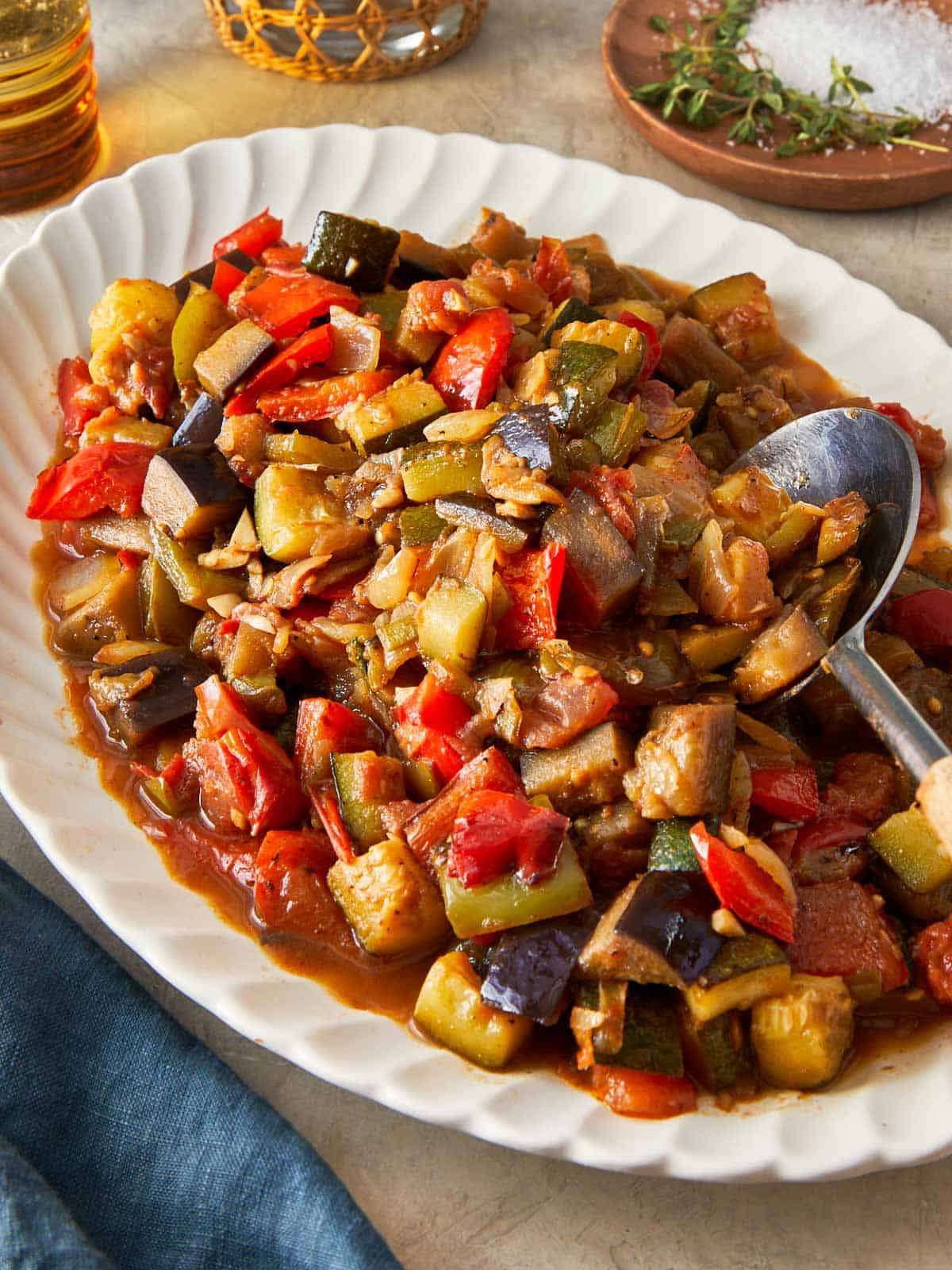
Easy French Ratatouille: Rustic Flavor, Simple Steps
For many, the mention of ratatouille conjures images of intricately sliced vegetables arranged in a pristine, picture-perfect culinary masterpiece, perhaps even thanks to a certain animated film. While that cinematic vision is undeniably beautiful, it often overshadows the humble, rustic truth of this beloved French Provençal dish. The good news? Crafting an easy ratatouille that bursts with authentic, deeply satisfying flavor is far simpler than you might imagine. It’s a testament to the belief that anyone can cook truly remarkable food, provided they approach good vegetables with a little patience and respect.
Originally a stew from the French countryside in the 1700s, ratatouille was born out of necessity – a clever way for Provençal farmers to transform an abundance of garden vegetables and herbs into a hearty, affordable meal. From these humble beginnings, this vibrant medley of summer produce simmered in a rich tomato base steadily gained recognition, finding its place on French restaurant menus and ultimately charming palates worldwide. It embodies a delicious paradox: a dish that feels elegant and complex, yet at its core, is wonderfully straightforward. This guide will walk you through an easy ratatouille recipe that captures its traditional essence, proving that incredible flavor doesn’t require intricate techniques, just thoughtful execution.
The Heart of Provençal Cooking: What Makes Ratatouille Special?
At its core, a true easy French ratatouille celebrates the bounty of the Mediterranean garden. The star players are always the freshest eggplant, zucchini, bell peppers (often red or yellow for sweetness and color), ripe tomatoes, aromatic onions, and garlic, all brought to life with a generous hand of classic Provençal herbs like thyme and basil. What sets it apart from a mere "mixed vegetable stew" is the way these ingredients interact, slowly melding their individual flavors into a harmonious symphony.
The beauty of ratatouille lies in its rustic nature. It’s meant to be comforting, robust, and deeply satisfying, evoking the sun-drenched landscapes of Southern France. While some recipes call for baking precisely layered vegetables, the most authentic and often the most flavorful versions involve gently simmering the ingredients together on the stovetop. This method allows the vegetables to soften, release their natural juices, and build a depth of flavor that can’t be rushed. It’s the kind of dish that nourishes both body and soul, perfect for a cozy weeknight dinner or an impressive, yet effortless, addition to a weekend spread. If you're looking to dive deeper into these traditional methods, explore The Real Ratatouille: Simple French Stew for Every Home Chef.
Unlocking Authentic Flavor: The "Easy Ratatouille" Method
Creating a truly flavorful easy ratatouille isn't about exotic ingredients or complicated steps, but rather about a series of simple, intentional actions that build flavor in layers. Forget throwing everything into a pot at once; that often leads to a watery, bland outcome. Instead, we'll focus on a few key techniques that elevate basic vegetables into an extraordinary meal.
Building a Flavor Foundation: Onions & Garlic
Every great stew begins with a solid foundation, and for ratatouille, that means gently sautéing onions and garlic until they are soft, translucent, and slightly sweet. This crucial first step creates a savory "base note" that permeates the entire dish. Without this aromatic beginning, the finished ratatouille would taste like just mixed vegetables rather than a cohesive, deeply flavored stew. Take your time here – don't rush the browning; it's where the initial magic happens.
The Magic of Separate Sautéing (and Why it Matters)
This is arguably the most important technique for achieving a non-soggy, richly textured, and flavorful easy ratatouille. Vegetables cook differently, and treating them with individual attention ensures they reach their peak potential without turning into mush. When people dump all vegetables into a pot simultaneously, the pan often steams rather than browns, leaving you with pale, collapsed, and watery results.
- Eggplant First: Eggplant is a thirsty vegetable, eager to soak up oil. By cooking it first, in its own moment, you allow it to brown beautifully and develop a rich, meaty texture without forcing you to drown the entire pot in oil later. It gets a head start, absorbing just what it needs.
- Followed by Zucchini & Bell Peppers: After the eggplant, give the zucchini and bell peppers their turn. Sautéing them separately ensures they pick up some color and retain a pleasant texture. They soften without dissolving, contributing their unique sweetness and slight crunch to the overall stew. Remember not to overcrowd the pot during any of these stages! Browning only occurs when moisture can evaporate. A packed pot creates steam, leading to soggy vegetables and flat flavors. If your pot isn't large enough, work in batches.
- Finally, Tomatoes: Once your other vegetables are tender-crisp, the tomatoes join the party. Their natural acidity and sweetness are crucial, breaking down to form the stew's luscious sauce.
Deglazing: The Secret to Depth
As you sauté each batch of vegetables, delicious browned bits, known as 'fond,' will accumulate at the bottom of the pot. These bits are pure flavor gold. After cooking the vegetables (or even between batches), deglaze the pot with a splash of vegetable stock or even a little wine. Scraping up these caramelized morsels with a wooden spoon and incorporating them into the stew is not an "extra" step; it's the difference between a thin, bland broth and a rich, deeply savory stew that tastes like it’s been cooking all afternoon. This technique is a cornerstone for Unlock Rich Ratatouille Flavor: Provençal Techniques Made Easy.
The Gentle Simmer: Patience for Perfection
Once all your vegetables are in the pot with the tomato base and stock, resist the urge to crank up the heat. A hard boil will break down the vegetables too quickly, turning your rustic ratatouille into baby food. Instead, bring it to a gentle simmer, cover the pot, and let it cook low and slow. This allows the flavors to meld beautifully, the vegetables to soften perfectly, and the sauce to thicken naturally. A slow simmer ensures the texture remains rustic and satisfying, rather than mushy.
Herb Timing is Everything
Herbs are the soul of Provençal cooking. Thyme, with its robust flavor, can be added early in the simmering process. It infuses the entire dish, contributing a warm, earthy aroma that can stand up to longer cooking times. Fresh basil, however, is best stirred in right at the very end, just before serving. This preserves its vibrant, aromatic qualities; cooked too long, basil can lose its freshness and become dull. A final sprinkle of fresh parsley or chives can also add a delightful burst of color and flavor.
Your Easy Ratatouille: Versatile & Delicious
The beauty of an easy ratatouille extends far beyond its simple preparation. It’s incredibly versatile and pairs beautifully with a multitude of dishes. Spoon it generously over thick slices of crusty French bread for a light lunch, serve it alongside roasted chicken, grilled fish, or a delicate Parmesan-crusted fish for a more substantial meal. It’s also fantastic tossed with pasta, as a vibrant side dish for steak, or even topped with a fried egg for a hearty breakfast or brunch. What’s more, like many stews, ratatouille often tastes even better the next day, making it an ideal candidate for meal prepping.
Rich in fiber, vitamins, and antioxidants from its vegetable-packed profile, ratatouille is not only delicious but also wonderfully nutritious. It’s a fantastic way to incorporate more plant-based goodness into your diet without sacrificing flavor. This recipe proves that home cooking, even for dishes that sound sophisticated, can be straightforward, rewarding, and incredibly delicious. So, whether you’re a seasoned chef or just starting your culinary journey, embrace the simplicity and depth of this classic French stew.
Making an easy ratatouille is a culinary journey that reminds us that the best recipes aren't necessarily the flashiest, but those executed with care and an understanding of their core ingredients. By following these simple, layered techniques, you’ll achieve a deeply satisfying, rustic French ratatouille that will earn its place as a cherished staple in your home cooking repertoire. Gather your fresh vegetables, embrace the gentle simmer, and prepare to be delighted by the authentic flavors of Provence, created effortlessly in your own kitchen.
